Boss Fights in Rayman Legends Retold
Read telegraphs, assign couch roles, and clear set-piece arenas without treating bosses like RPG DPS checks.
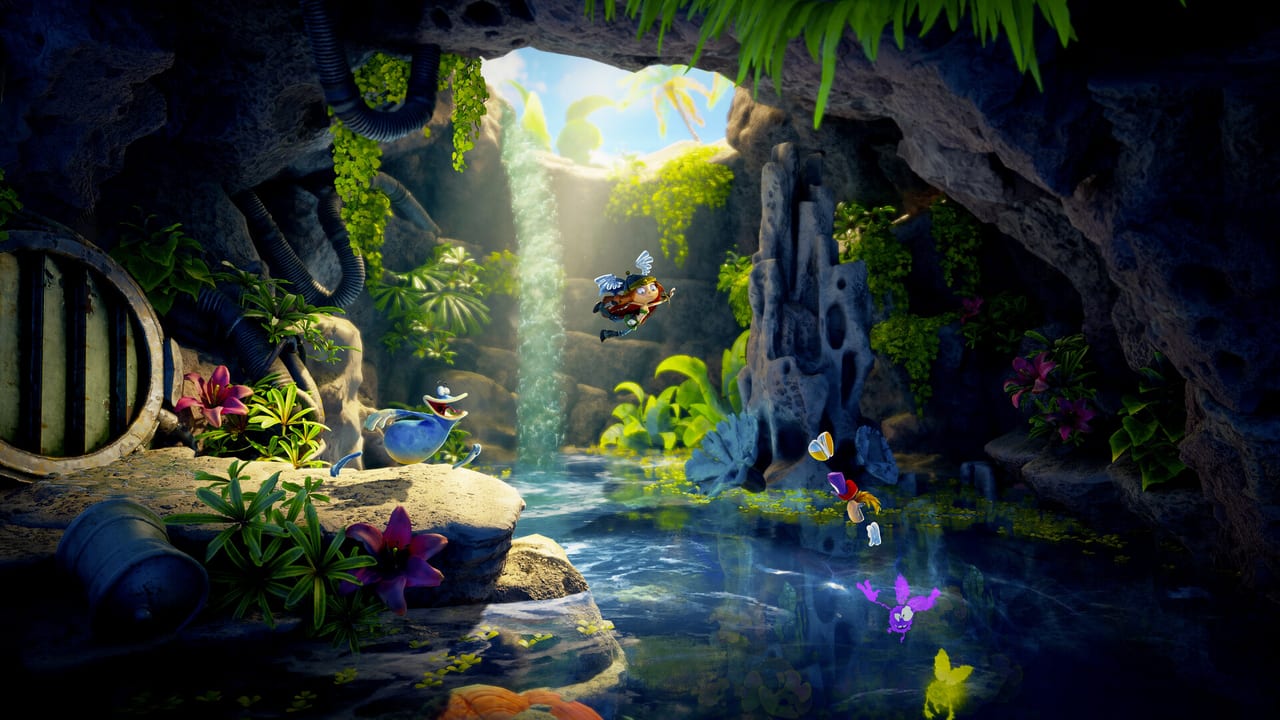
Rayman Legends Retold rebuilds Rayman Legends as a 3D Snowdrop remake from Ubisoft Montpellier and Ubisoft Milan, launching December 3, 2026. Boss encounters stay true to the series: they are set-piece platforming arenas that demand pattern reading, spacing, and Murfy timing—not health-bar DPS races. Preview footage already highlights a Luchador fight in a Fiesta-style world under the banner Wrestling with a Giant, and late campaign pressure ramps hard through Mount Elysium and the Land of the Livid Dead.
This guide teaches how to read telegraphs, when to lean on Hearts or Fairy Blessing, how to keep four-player co-op from knocking each other into pits, and what to do after the fanfare for Teensy sweeps. Pair it with the Walkthrough for realm order, Accessibility for assist toggles, and Controls for Murfy and remap setups.
What a Retold boss actually is
Expect multi-phase stages where the arena itself is the puzzle. Platforms rise and fall, hazards cycle on readable clocks, and the boss telegraphs slam, grab, or charge windows before committing. Your job is to:
- Survive the pattern long enough to reach the interactive beat (cage, switch, punchable weak point, or Murfy gadget)
- Convert that window without greed
- Survive the next escalation
There is no gear grind or elemental chart. Character choice among Rayman, Globox, Barbara, and Grand Minimus is mostly silhouette and co-op readability—see characters and the tier list for couch role advice rather than “best DPS.”
Reading telegraphs
Treat every boss like a music-level intro: the first twenty seconds are education.
- Watch idle tells. Shoulder drops, glow pulses, or wind-ups usually precede the dangerous hitbox.
- Count cycles. Many phases loop two or three safe beats before a slam. Say the count out loud in co-op.
- Prefer height over aggression. Hover and wall jumps often buy more time than an extra punch into a fist.
- Respect pits. Red Heart and Golden Heart forgive contact hits mid-fight, but they do not save you from falls, crushers, or liquid. Route as if Hearts are off when the floor disappears.
- Enable High Contrast or Highlights if 3D backgrounds swallow the boss silhouette—especially useful in Fiesta-style arenas and dense Livid Dead stages (Accessibility).
Murfy during boss arenas
Murfy remains the helper who opens cages, pulls gadgets, and pokes switches that heroes cannot reach alone. In boss rooms:
- Assign one player as Murfy lead so four people are not yanking the same lever.
- Trigger gadgets on the telegraph, not after the slam already started.
- Practice Murfy binds before Mount Elysium nights (Controls).
Solo players should pause briefly when the helper prompt appears rather than mashing movement and Murfy on the same thumb.
Fairy Blessing, Hearts, and honesty
Fairy Blessing (invulnerability, flight, self-revival) is available for adventure boss stages when Betilla offers it after repeated deaths—or when you enable it from settings. It is disabled in Cave of Trials, Kung Foot Evo, and hubs, so do not plan leaderboard or sports nights around flight. Full rules live on Accessibility and the Cave of Trials guide.
Red Heart and Golden Heart soften mid-fight contact damage so a grazed slap does not always dump you to the last checkpoint. Use them when a single phase wall is burning the evening; keep Default Health if you want authentic pattern practice. Again: Hearts help hits, not pits.
A practical loop: clear the boss once with assists if needed, then revisit with Default Health before chasing perfect Teensy routes.
Co-op boss etiquette
Local four-player co-op covers the whole campaign; there is no online multiplayer. Boss arenas punish uncoordinated bumps hard.
Suggested roles:
- Pathfinder holds forward progress and calls phase changes
- Murfy specialist owns switches and cages
- Lum / Teensy sweeper stays slightly behind to grab cages without blocking jumps
- Spotter watches hazard clocks and calls “pit left” / “slam now”
Agree on Fairy Blessing and Heart settings before the door. One flying Blessing player can shove friends into hazards if camera and collision are chaotic—read the Co-op Guide before a four-pad Mount Elysium night. Distinct costumes help readability; pick silhouettes from the cast page so nobody confuses Globox with Barbara mid-dodge.
Preview spotlight: Luchador / Wrestling with a Giant
Public preview footage shows a Luchador boss fight framed as Wrestling with a Giant in a Fiesta-flavored world. Treat it as the design thesis for Retold bosses: big readable poses, arena play, and slapstick scale rather than a floating HP number. When you reach that set piece:
- Learn the ring boundaries before greedily chasing Lums
- Expect verticality—jumps and hover matter as much as punches
- Use Highlights if crowd props and banners hide the tell
Do not invent other boss names beyond what Ubisoft has shown; late worlds will remix the same telegraph grammar with denser cameras and tighter pits.
Mount Elysium and Land of the Livid Dead pressure
Mount Elysium raises platforming density and camera drama. Boss pressure there rewards patience: fewer greedy punches, more waiting for the safe beat. Bring a wired pad if input lag has been an issue in music stages—the same discipline helps boss windows.
Land of the Livid Dead layers Fairy Radiance puzzles into corrupted spaces. Some boss-adjacent encounters expect Radiance blasts to clear branches or corrupted props before the arena stabilizes. Review Fairy Radiance before those doors so you are not learning a new verb under a slam timer.
After the fanfare: Teensy sweeps
Victory cinematics are not the end of the room. Many boss stages hide Teensy cages on side ledges, behind breakable props, or on timed platforms that only appear during a phase you already finished. After the win:
- Re-enter or linger if the stage allows a post-clear explore
- Turn Highlights on for cages and interactables
- Sweep with the Murfy specialist while others hold still
- Log cages on your Teensies mental map or the completion checklist if you track 100%
Skipping the sweep forces an entire boss replay later—budget five calm minutes while the pattern is still fresh.
Practice plan for launch week
- Finish early realm bosses with Default Health to learn telegraph language.
- Enable High Contrast once if Snowdrop scenes feel noisy.
- Run one co-op rehearsal with clear roles before Mount Elysium.
- Practice one adventure boss without Fairy Blessing so Cave of Trials nights feel familiar.
- Only then chase perfect Lum or Teensy routes.
Related pages
- Walkthrough — realm order and when bosses appear
- Accessibility — Blessing, Hearts, Highlights, High Contrast
- Controls — Murfy and remaps
- Co-op Guide — camera and party rules
- Teensies — post-fight cages and Hearts context
- Fairy Radiance — Livid Dead prep
- Cave of Trials — Blessing-off challenge modes
- Guides Hub — full guide index
- Tier list and characters — couch roles
Bosses in Rayman Legends Retold celebrate readable chaos: learn the loop, call the slam, land the Murfy window, then free every Teensy before you leave the arena.
Frequently Asked Questions
Quick answers for Rayman Legends Retold players.
Are Rayman Legends Retold bosses DPS checks?
No. They are set-piece platforming arenas built around pattern reads, spacing, and Murfy or gadget windows—not RPG damage races.
Can I use Fairy Blessing on adventure bosses?
Yes in adventure boss stages when offered or enabled. Fairy Blessing is disabled in Cave of Trials, Kung Foot Evo, and hubs.
Do Red or Golden Hearts stop pit deaths?
No. Hearts help recover from mid-fight contact hits, but pits, crushers, and liquid still punish you. Route carefully either way.
What boss has been shown in preview footage?
A Luchador fight in a Fiesta-style world, presented as Wrestling with a Giant. Treat it as the template for readable set-piece bosses.
How should co-op players handle bosses?
Assign clear roles (pathfinder, Murfy lead, sweeper, spotter), agree on assists beforehand, and avoid bumping allies into hazards on a shared screen.